 Frenchy Coffee
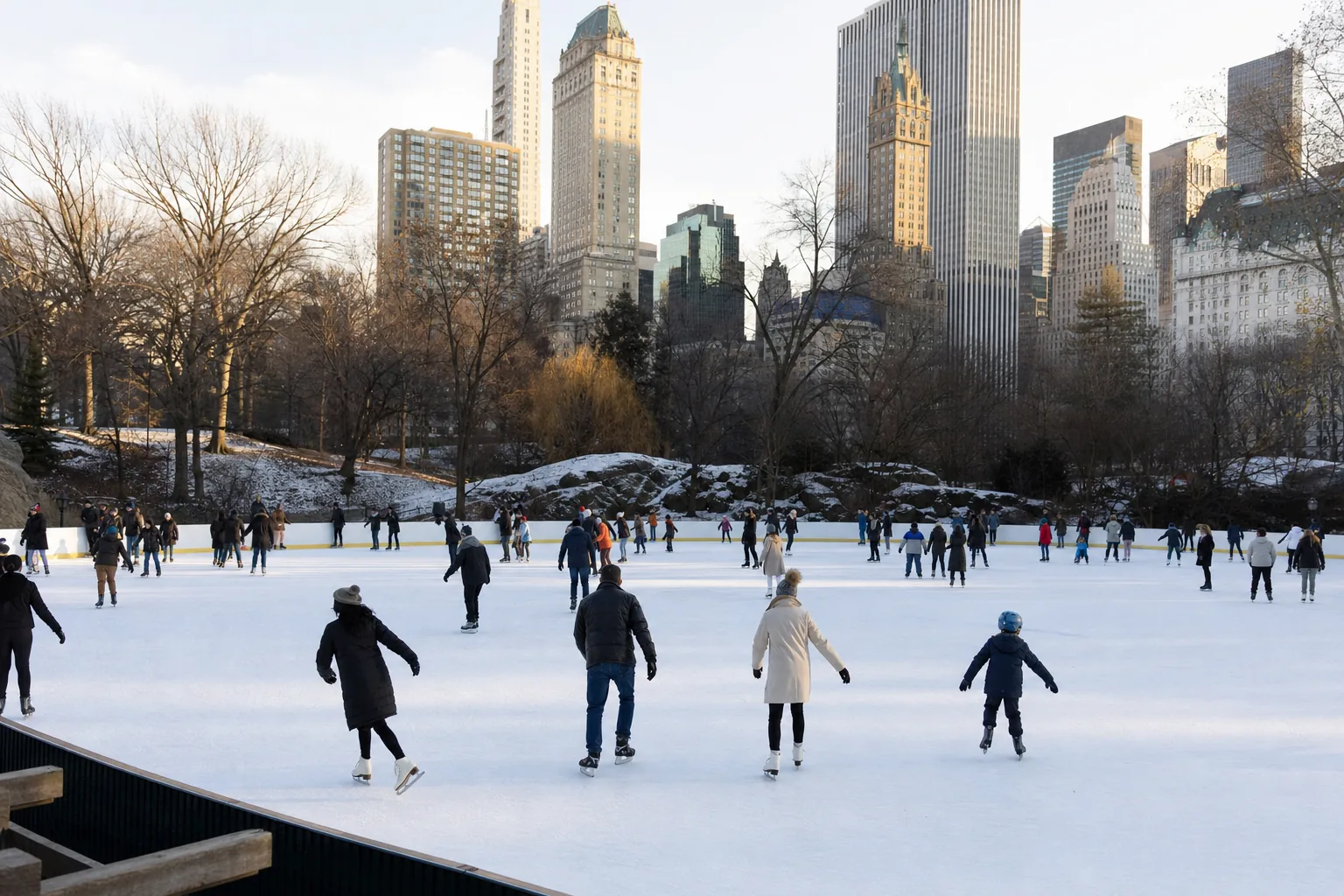
Central Park in winter can feel like a quieter side of New York City, with bare trees opening up views and fresh snow changing familiar paths. Skating draws a crowd, but many simple pleasures, like a brisk walk or a look for winter birds, cost nothing.
Here’s how to plan a visit around the weather, park conditions, and the parts of the park you most want to see.
How Winter Changes the Central Park Experience
Winter changes the park's pace and its views. With fewer leaves on the trees, landmarks can stand out more prominently. After snow, bridges and lawns look different, but slush and ice can make some paths harder to walk.
The park stays open for outdoor visits through winter, but conditions can affect access. After a snowfall, crews focus on clearing the most-used routes. Some landscapes may close until snow and ice are cleared, and some routes may not be cleared of snow.
That can shape your route. A path that looks clear on a map may be slick or closed on the day you arrive. Check winter visiting information and park alerts before setting out, especially during a storm or after a freeze.
Playgrounds are open year-round, though a playground may close for a short time after snow or during other weather issues. If you’re visiting with kids, have a second plan in mind. A walk on a main path can still work when a play area is temporarily shut.
Winter is also a good time to focus on one part of the park instead of trying to cross all of it. The grounds cover a large area, and cold weather can make a long route feel longer. Choose a landmark or activity as your main stop, then add a nearby walk if the paths are in good shape.
For a north-end visit, East Harlem can be a useful point of arrival. Our East Harlem neighborhood guide shares local context for the area beside the park. It’s an easy way to connect a park outing with the nearby streets of El Barrio.
Winter also brings seasonal details around the Zoo. Check current park updates before you go, since weather and seasonal schedules can change.
Ice Skating: Wollman Rink and the Davis Center
Ice skating is one of the park’s signature winter outings. Wollman Rink sits near the park’s southeast corner, while the Davis Center is at the north end beside Harlem Meer. Both give you a set activity to plan around, but their settings feel different.
Wollman Rink
Wollman Rink is on the East Side near 59th Street. It has skate rentals, and a food pavilion overlooks the rink and provides food during skating sessions. The rink’s location also gives you park scenery with Midtown buildings in the distance. At dusk, the view shifts as the city lights come on.
For the 2026 to 27 season, the rink’s stated operating dates are October 24, 2026, through March 16, 2027. Weather or other changes can affect operations, so check current rink information before making plans.
Wollman Rink season passes cost $275 for adults and $100 for seniors and children. The rink also has Community Days with free admission for the honored group and their families, with proper identification. Check the current ticket details before making plans, since dates and ticket terms matter.
The Davis Center
The Davis Center, at the park’s north end beside Harlem Meer, has seasonal winter skating. It’s designed for community use and includes programs for families. The setting is quieter than the south end, so it can suit a visit focused on the northern park.
The rink’s 2026 to 27 season is listed as November 1, 2026, through March 8, 2027. Skating sessions and lessons require registration, and helmets aren’t available to rent. Confirm the session rules and schedule before you set out, especially if you’re going with children or planning a lesson.
These rinks are the park’s structured skating options. For a free day in the park, pair a rink visit with a walk rather than assuming every activity needs a ticket. And if you’re heading to the north rink, East Harlem is close by. Frenchy Coffee NYC is at 129 East 102nd Street, a neighborhood stop for coffee or a pastry before or after your park visit.
Winter Walks Around the Reservoir and the Ramble
A winter walk can be the whole plan. The Reservoir Loop covers 1.58 miles and has open views, making it a good choice for a steady walk when the route is clear. The open sightlines also make it easier to take in the skyline and the park’s bare winter branches.
Stay on the marked path and watch for slick spots. After a storm, the route may not be the right choice; check the park’s current conditions before you arrive rather than counting on the loop to be snow-free.
The Ramble offers a different kind of walk. Its winding paths pass through a wooded part of the park, where winter can make the area feel quieter and more secluded. Take your time at turns and junctions. If the paths are icy, a main route may be a safer choice than a narrow woodland trail.
For photos, try Bow Bridge after snowfall or the Mall, where bare elms frame the walkway. The Reservoir is another good place for broad views. Overcast light can help reduce harsh shadows, while gloves with a touch-friendly fingertip can make it easier to use a phone camera in the cold.
Go early after a snowfall if you want to see fresh tracks and less-disturbed snow. That timing is never guaranteed, of course. Wind, foot traffic, and melting can change the scene quickly, so treat a snow-covered view as a bonus rather than the only reason for your visit.
Mobility needs matter when choosing a route. Snow and ice can still change what’s passable, so check conditions as well as the map. A route with fewer stairs may be a better fit on a cold day when footing is uncertain.
If you want a longer walk with local context, the Conservancy runs guided tours. Guides can point out park history and features that are easy to pass without noticing. For a self-guided outing, choose one or two landmarks and keep the route flexible.
Snow-Day Sledding and Winter Bird-Watching
When enough snow falls, Central Park’s hills become spots for sledding. Pilgrim Hill is near 72nd Street, Cedar Hill is on the East Side near 79th Street, and Harlem Hill is at the north end. Harlem Hill is steeper, so it may suit older kids and adults who are comfortable with a faster ride.
Sledding depends on snow and park conditions. The Conservancy says Pilgrim Hill and Cedar Hill open for sledding when there’s at least six inches of snow cover and conditions permit. A fresh storm can also mean high demand for sleds nearby, so bring something sturdy to sit on if you have one. Dress for snow that may soak through outer layers.
After a storm, don’t assume every lawn is open for play. Many lawns rest through winter, and the park opens them only when snow cover is deep enough and conditions allow. Follow signs and current park updates. That helps protect the grass beneath the snow.
Snow play doesn’t have to mean sledding. If the ground is suitable, families can build a snow person or make a short snow-day walk part of the outing. Check current conditions and park rules on the park’s winter page before bringing equipment.
Winter bird-watching is a quieter option. Look around the Ramble, North Woods, and the Lake for waterfowl, woodpeckers, owls, or red-tailed hawks. Bare branches can make birds easier to spot, though wildlife sightings are never certain.
Binoculars help, but you can watch without them. Pause near water or at the edge of a wooded area, and give birds room. Keep dogs close and avoid crowding wildlife. A short stop with a clear view can be more rewarding than rushing through the park in search of a particular species.
For families, pair a snow activity with a warm indoor pause if the cold starts to wear on little ones. A covered walkway can offer shelter from snow and wind. The Dairy Visitor Center is another place to check for maps and park information during your visit.
Plan Your Winter Visit: Routes, Warm-Up Stops, and Local Tips
Start with the forecast, then check park alerts on the day you go. A cold, dry day can work well for a long walk. A storm or thaw can bring slush, ice, or temporary closures. The park’s paths may be cleared at different rates, so leave room to change your route.
Wear shoes with a good grip and choose layers you can adjust as you walk. Waterproof footwear helps when snow turns to slush. Gloves make it easier to stay outside, and a hat can help on open stretches where there’s little shelter from the wind.
Pick a route that has a clear turning point. For example, you might walk to the Reservoir and back, or visit the Mall before stopping near a park landmark. If the paths are slick, shorten the outing instead of pushing on to reach a distant landmark.
For visitors who want a fuller day, link a park walk with Museum Mile along Fifth Avenue. Our Museum Mile visitor guide covers planning a museum stop near the park. Check each museum’s current schedule and entry details before you set out.
Warm-up options inside the park can vary by season and day. A food option overlooking the ice provides food during skating sessions. Consider a warm-up break if wind or snow picks up. The Dairy Visitor Center can help with maps and park information, while seasonal food spots may have changing hours.
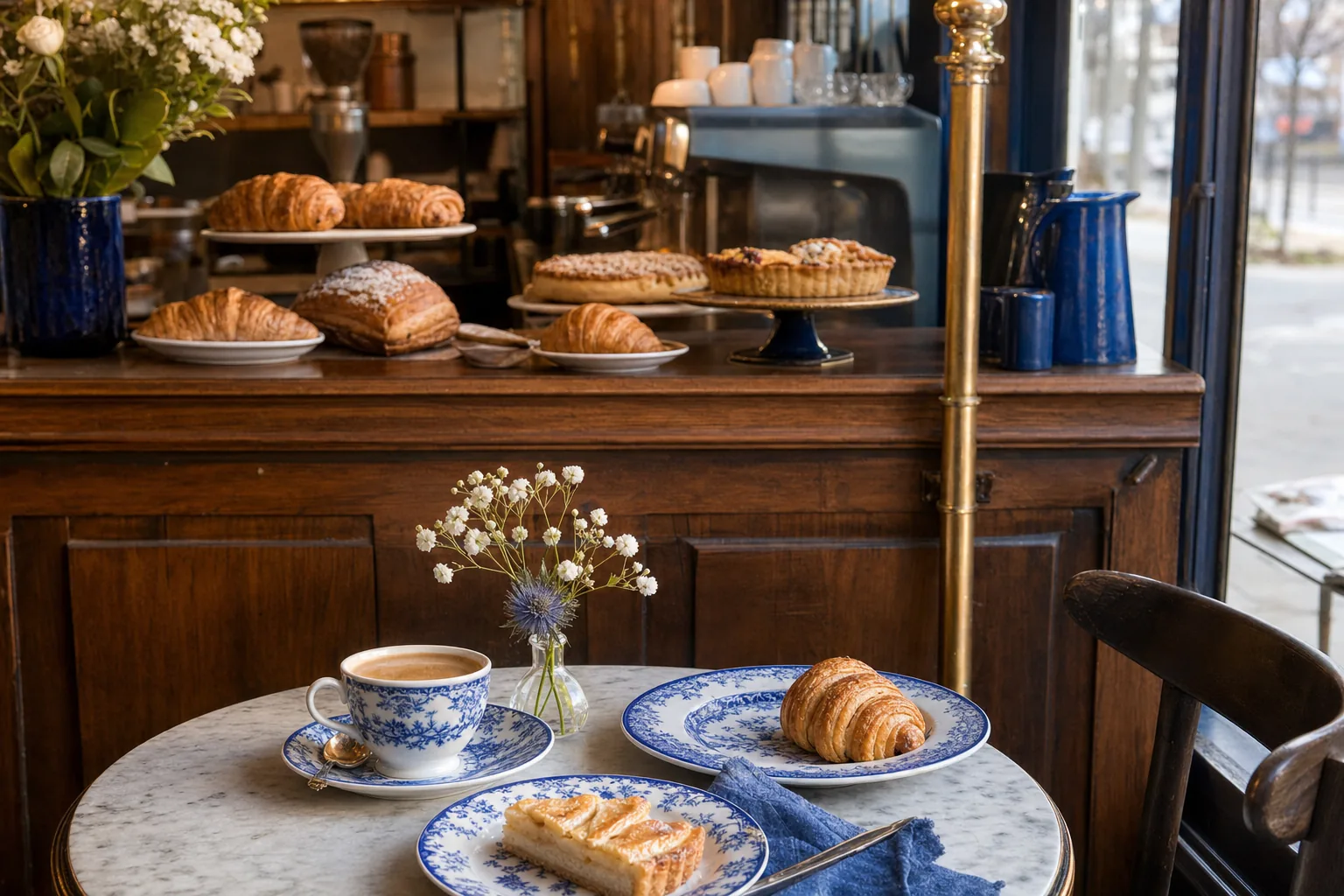
Near the north end, Frenchy Coffee NYC is in East Harlem at 129 East 102nd Street. We’re a family-owned French café and bakery, and our hours are Monday through Friday, 7 am to 5 pm, and Saturday and Sunday, 8 am to 4 pm. If your route takes you past East 102nd Street, it can make a simple nearby stop for a hot drink or a pastry.
Keep the day flexible. A clear morning can turn icy later, and fresh snow may change which areas are open. Check the park’s alerts before leaving, then make the call based on the conditions you see when you arrive.
Frequently Asked Questions
Is Central Park worth visiting in winter?
Yes, Central Park is worth visiting in winter if you dress for the weather and keep your plans flexible. You can walk, watch birds, visit seasonal sights, or skate at a rink. Snow can make the park feel especially scenic, but ice and closures can affect access, so check conditions before you go.
Does Central Park have free winter activities?
Yes, many winter activities in Central Park are free. Walking the paths, looking for birds, and enjoying snow-covered views don’t require a ticket. Sledding depends on snow cover and park conditions. Ice skating is a paid activity at the rinks, though Wollman Rink has select Community Days with free admission for eligible groups.
Where can you go sledding in Central Park?
Pilgrim Hill, Cedar Hill, and Harlem Hill are known sledding spots. Pilgrim Hill is near 72nd Street, while Cedar Hill is on the East Side near 79th Street. Harlem Hill is at the north end and is steeper. Sledding depends on enough snow and safe conditions, so check park updates first.
Are Central Park paths cleared after snow?
Crews prioritize the park’s most-used routes after snow, but not every path is cleared. Some paths may remain snowy, and some areas may close until ice and snow are addressed. Check current park updates before you visit, then adjust your route to match conditions on the ground.
Where can I warm up near Central Park?
Look for an indoor place to warm up or take shelter from snow and wind. Wollman Rink has food available during skating sessions, and the Dairy Visitor Center can provide maps and park information. Options and hours can vary by season, so check the place you plan to visit before building it into your route.
Conclusion
Choose one main stop, check current park conditions, and leave time for a short walk nearby. If your outing brings you to East Harlem, stop by Frenchy Coffee NYC at 129 East 102nd Street for a warm drink or pastry.